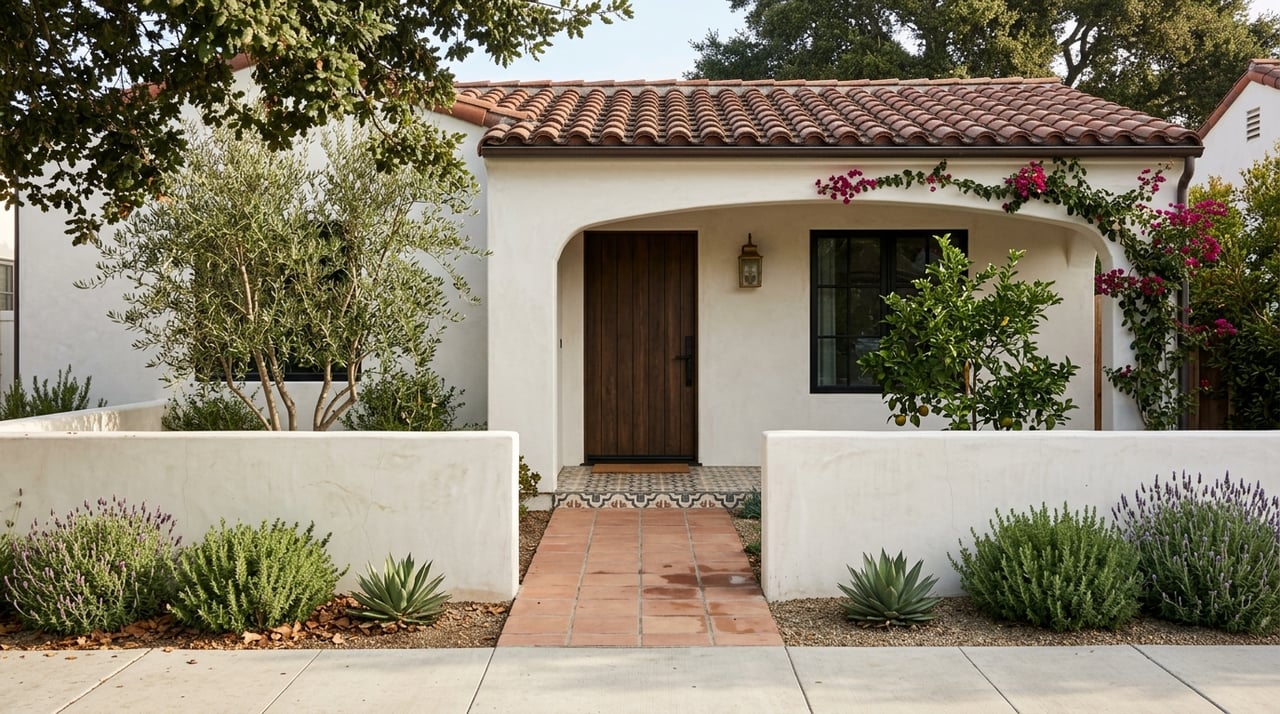
If you want a Los Angeles neighborhood that blends design history, a walkable café rhythm, and fast access to major outdoor space, Los Feliz deserves a close look. For many buyers and relocators, the appeal is not just where you live, but how your day actually unfolds once you are there. In Los Feliz, that daily pattern can include coffee in the village, an architecturally rich streetscape on the way home, and a trailhead within easy reach. Let’s dive in.
Why Los Feliz Stands Out
Los Feliz sits within the Hollywood Community Plan area and is commonly framed between Hollywood, Silver Lake, and Atwater Village. According to the City of Los Angeles planning resources, this broader area includes Hollywood, Los Feliz, East Hollywood, Griffith Park, and nearby hillside communities.
That setting helps explain why Los Feliz feels layered rather than one-note. You get a compact commercial core, a larger residential hillside fabric, and direct proximity to Griffith Park. In practical terms, it is a neighborhood that supports a lived-in rhythm of coffee, dining, errands, culture, and outdoor time.
The Los Feliz Village BID describes the village as a mix of bars, historic restaurants, boutiques, and wellness offices. That matters because it gives you a real neighborhood center instead of a purely residential pocket with everything spread far apart.
Architecture Shapes The Experience
For design-minded buyers, Los Feliz offers more than attractive homes. It has real architectural depth, including internationally recognized landmarks and preserved residential districts that give the neighborhood a distinct visual identity.
One of the clearest examples is Hollyhock House at Barnsdall Art Park. The City of Los Angeles notes that the home was inscribed on the UNESCO World Heritage List in 2019 as part of Frank Lloyd Wright’s 20th-Century Architecture group listing.
That is a meaningful marker for the neighborhood. It places Los Feliz in a broader design conversation, not just a local one, and reinforces the area’s appeal for buyers who care about architectural provenance.
Historic Hillside Character
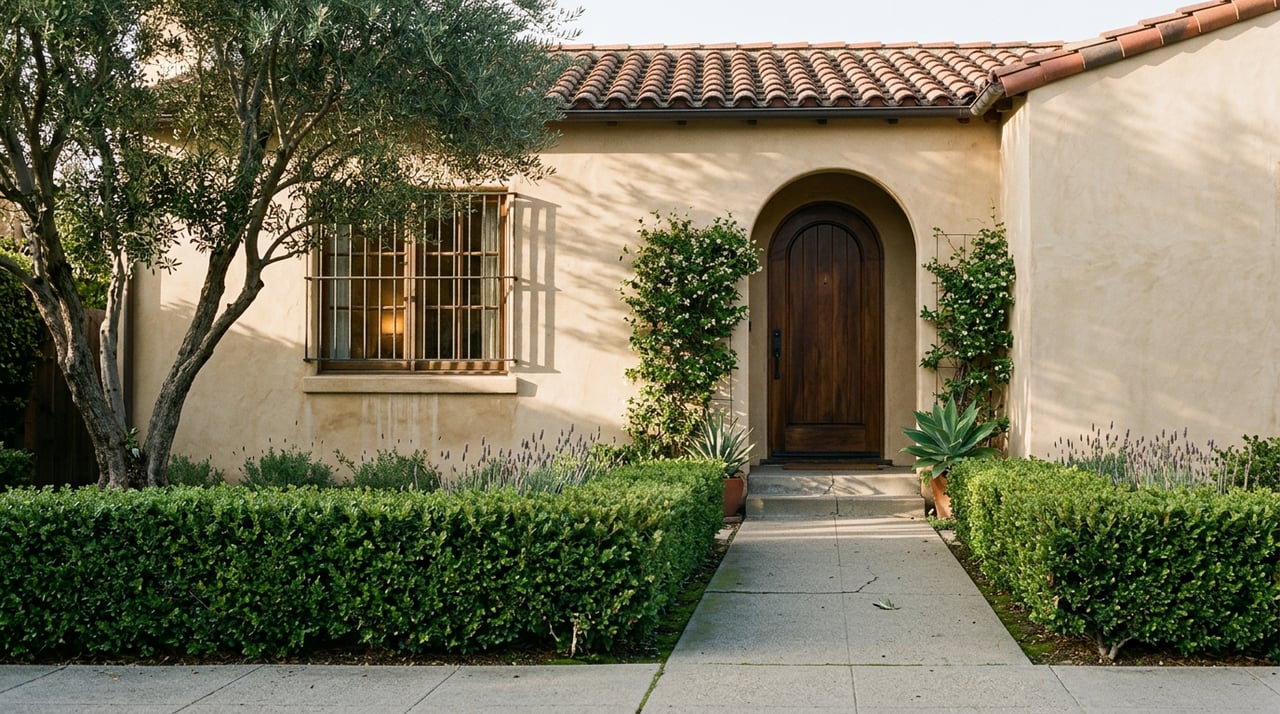
The architectural story continues in the Los Feliz Heights Residential Historic District. City planning records describe a highly intact hillside district with roughly 317 one- and two-story residences in American Colonial, Spanish Colonial, Mediterranean, and Tudor Revival styles.
Those same records note contributions by architects including Paul R. Williams, Milton J. Black, Gordon Kaufmann, Wallace Neff, and Morgan Walls & Clements. The district is also defined by curving streets, sloping lots, mature trees, period streetlights, and public stairways, all of which shape how the neighborhood feels block by block.
For a buyer, that translates into a setting where the streetscape matters as much as the house itself. The neighborhood experience is visual, topographic, and highly tied to the hillside layout.
More Than One Housing Type
Los Feliz is not limited to single-family architecture. City survey materials also identify the Los Feliz Boulevard Multi-Family Residential Historic District, with approximately 115 multi-family residences that include apartment houses, courtyard apartments, and garden apartments in styles such as Spanish Colonial Revival, Mid-Century Modern, and Minimal Traditional.
That variety broadens the neighborhood’s appeal. Depending on your goals, you may be drawn to a character-rich apartment building, a courtyard residence, or a hillside home with historic details and long views.
City Planning guidance on historic districts also explains that new exterior work in locally designated historic districts must complement the established historic character. That helps explain why parts of Los Feliz often feel preservation-minded, even as properties are updated over time.
Notable Design References
Los Feliz also includes important architectural landmarks beyond its historic districts. The Los Angeles Conservancy’s Richard Neutra profile identifies the 1929 Lovell House in Los Feliz as a key early steel-frame modern house.
The same source references Walt Disney’s first Los Angeles home, the Charlotte and Robert Disney Bungalow, a 1914 Craftsman in Los Feliz. Together, those examples show a neighborhood with genuine stylistic range, from Craftsman roots to early Modernism.
Café Culture And Village Life
Los Feliz works well for people who want neighborhood life to feel easy and local. Instead of separating coffee, meals, shopping, and culture into different districts, the area brings those experiences close together.
The Los Feliz Village BID highlights the district’s iconic bars, historic restaurants, modern boutiques, and wellness offices. That village structure is a big part of the neighborhood’s appeal because it supports a more walkable, spontaneous routine.
Discover Los Angeles also frames Los Feliz as a place where you can move between dining, browsing, and cultural stops with ease. Its current neighborhood coverage points to places such as Bar Covell, Homestate, La Luz de Jesus Gallery, and the Philosophical Research Society as part of a day in the neighborhood.
A Scene That Keeps Evolving
Los Feliz has long-standing local institutions, but the food and beverage scene is still changing. That mix gives the neighborhood a nice balance between established character and new energy.
For example, Eater LA reported that Kettl made its West Coast debut in Los Feliz in 2025, serving imported Japanese teas and plant-based ice cream bars. The same broader Los Feliz coverage has included places like the Vista Theatre café concept, Mírate, Civico 2064, and Tiki-Ti.
If you are comparing central LA neighborhoods, that combination is important. Los Feliz offers specialty coffee and tea, destination dining, and long-running favorites in one compact ecosystem.
Griffith Park Access Changes Daily Life
For many buyers, Griffith Park is the feature that turns Los Feliz from appealing to deeply practical. It is one thing to say a neighborhood has outdoor access. It is another to be next to one of the city’s defining park systems.
According to the City of Los Angeles Department of Recreation and Parks, Griffith Park spans more than 4,210 acres and offers hiking, horseback riding, picnicking, bike rentals, the Greek Theatre, the Griffith Observatory, and Fern Dell with Trails Café.
That scale matters. It gives you room for quick morning walks, longer weekend hikes, and a flexible outdoor routine without needing to leave central Los Angeles.
Trail Options Near Los Feliz
Trail access is a major part of the neighborhood’s lifestyle draw. Discover Los Angeles points to Mt. Hollywood trails starting near the Observatory parking lot, along with access to a 3-mile loop from Vermont Canyon Road, Bronson Canyon, and the Cahuenga Peak Trail.
If you value movement and outdoor time, Los Feliz offers a strong setup. You can build hikes, scenic overlooks, and park visits into your week without treating them like a special event.
The city also notes that the DASH Observatory/Los Feliz shuttle runs daily from 10:00 a.m. to 10:00 p.m., generally every 15 to 20 minutes. It also warns that weekends, holidays, and summer visits can be congested, which is useful to know if you plan to use the park often.
How Los Feliz Feels Compared To Nearby Areas
Los Feliz is often discussed alongside Hollywood, Silver Lake, and Atwater Village. A useful way to think about it is not in terms of labels, but in terms of daily rhythm and physical setting.
Based on the planning and tourism sources, Los Feliz combines three elements especially well:
- A hillside residential environment
- A preservation-heavy housing stock
- Immediate access to Griffith Park
That combination can make it feel different from flatter central LA neighborhoods or areas where nightlife is the main identity. If your priorities include architecture, visual character, and access to outdoor space, Los Feliz has a strong case.
What Buyers Often Notice First
When clients tour Los Feliz, a few things tend to stand out quickly. The first is how much the built environment shapes the mood of the neighborhood. Curving streets, older architecture, and hillside topography create a setting that feels visually distinct.
The second is convenience without sameness. You can enjoy a village-like commercial strip and still feel close to major parkland and city landmarks.
The third is that Los Feliz often rewards buyers who care about nuance. Street-by-street differences, lot orientation, architectural pedigree, and preservation context can all influence long-term fit and value.
Why Precision Matters In Los Feliz
In a neighborhood like Los Feliz, broad market headlines only tell part of the story. Architectural significance, historic district context, location relative to the village, and access to park routes can all shape buyer demand in different ways.
That is why local pattern recognition matters. If you are considering a purchase, sale, or relocation in Los Feliz, it helps to evaluate not only price, but also how a property fits the neighborhood’s architecture, lifestyle flow, and long-term appeal.
If you want clear, discreet guidance on buying or selling in Los Feliz, connect with Antonio Bruno for a private consultation.
FAQs
What is daily life like in Los Feliz, Los Angeles?
- Los Feliz is known for a daily rhythm that can include cafés, dining, boutique browsing, cultural stops, and quick access to Griffith Park, all within a neighborhood that mixes a village core with hillside residential streets.
What kinds of architecture can you find in Los Feliz?
- Los Feliz includes American Colonial, Spanish Colonial, Mediterranean, Tudor Revival, Craftsman, Mid-Century Modern, and early Modernist influences, along with notable landmarks like Hollyhock House and the Lovell House.
Does Los Feliz have good access to trails and parks?
- Yes. Los Feliz sits next to Griffith Park, which the city says spans more than 4,210 acres and includes hiking trails, the Griffith Observatory, Fern Dell, Trails Café, and other outdoor amenities.
Is Los Feliz more than just a residential neighborhood?
- Yes. The neighborhood also has a compact commercial district with restaurants, bars, boutiques, wellness offices, and cultural destinations that support a more walkable lifestyle.
Why do buyers interested in design often look at Los Feliz homes?
- Buyers are often drawn to Los Feliz because of its preserved hillside streetscapes, architect-designed residences, historic districts, and the neighborhood’s strong connection between architecture and everyday lifestyle.