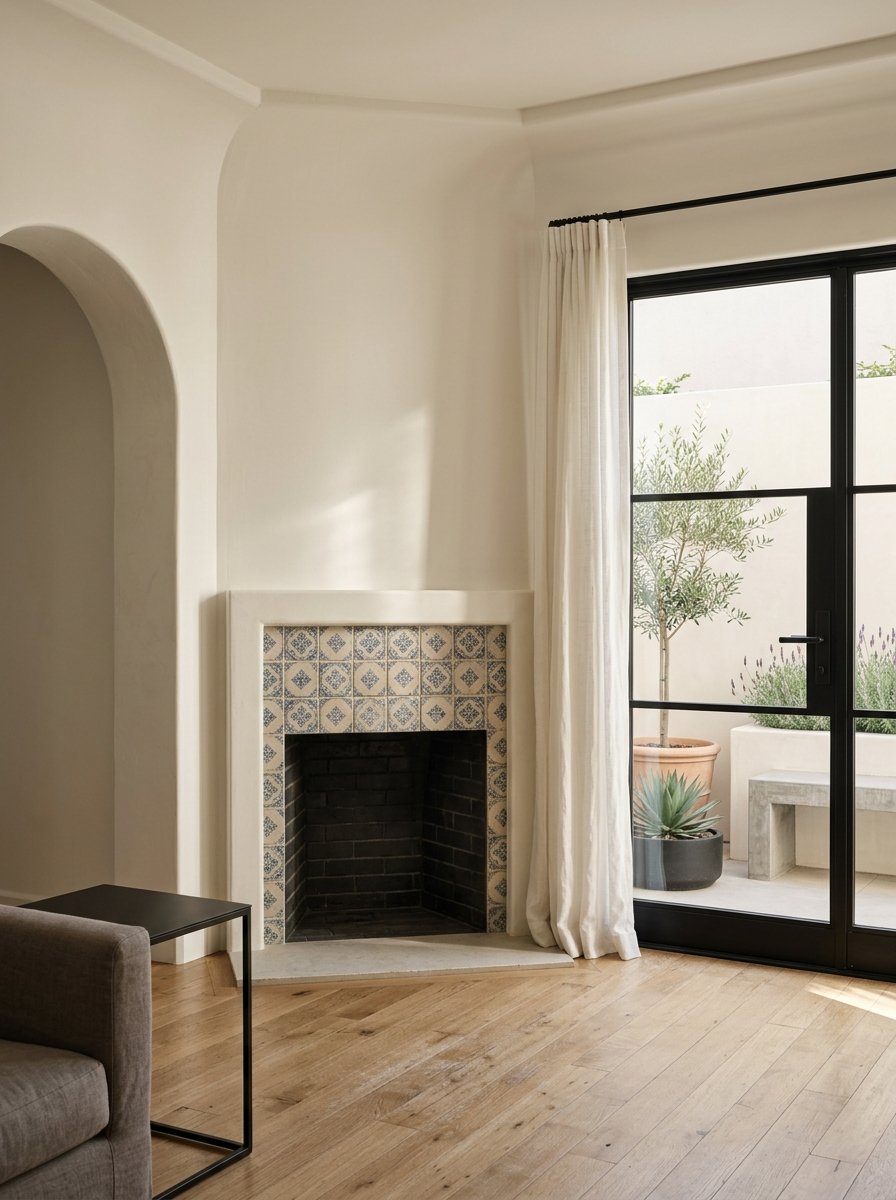
If you are drawn to a Los Feliz character home, you are probably not just shopping for square footage. You are looking for texture, craftsmanship, and a sense of place that newer construction often cannot match. The good news is that you can buy with confidence when you understand what makes these homes special, what can complicate ownership, and where to focus your due diligence first. Let’s dive in.
What defines a character home in Los Feliz?
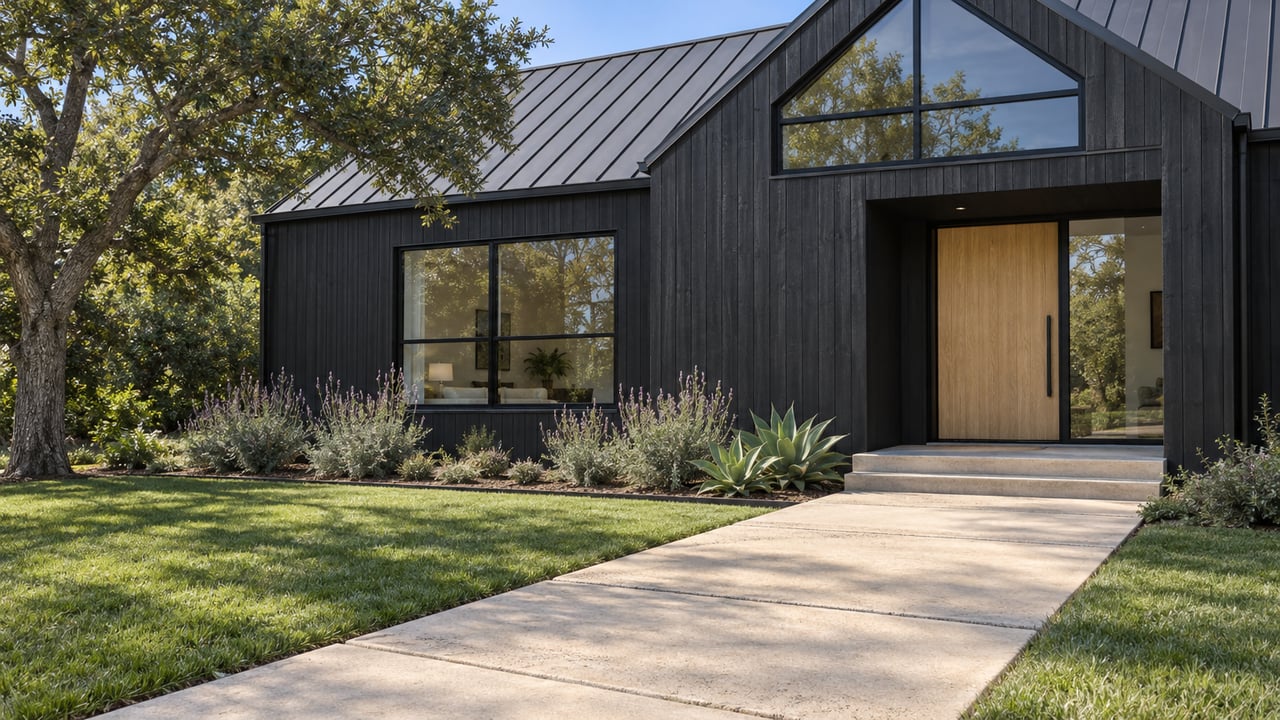
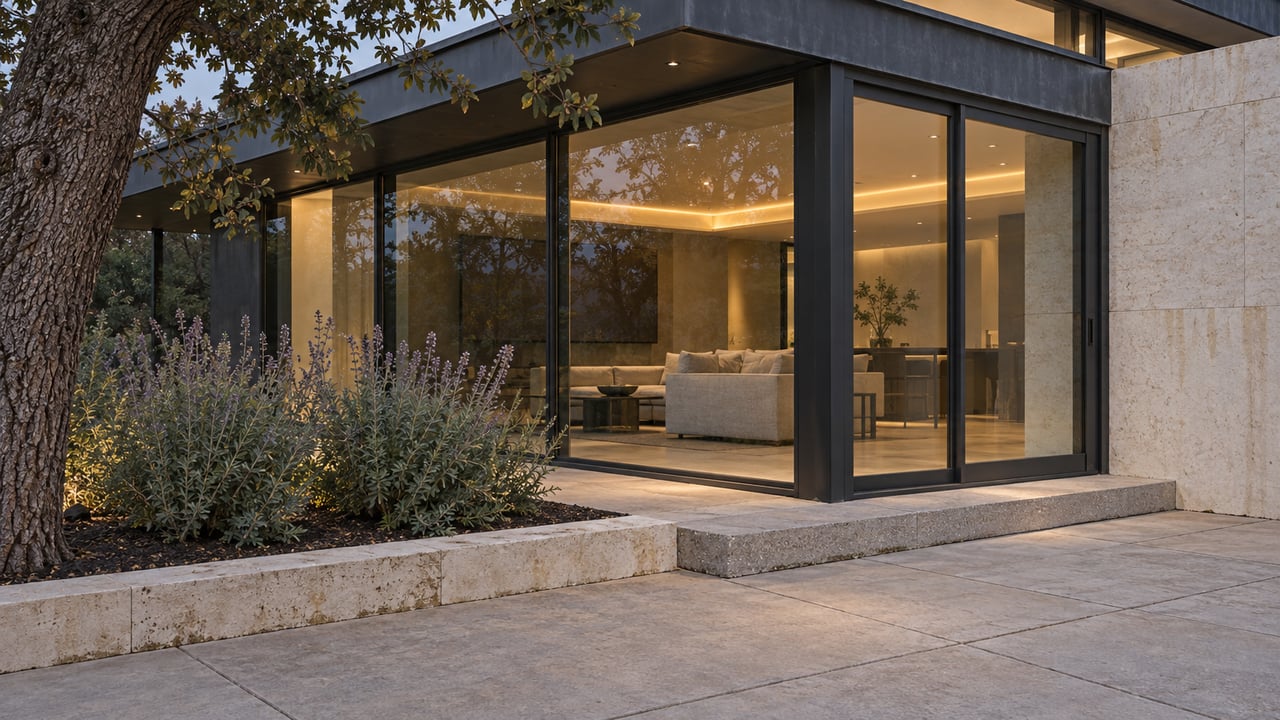
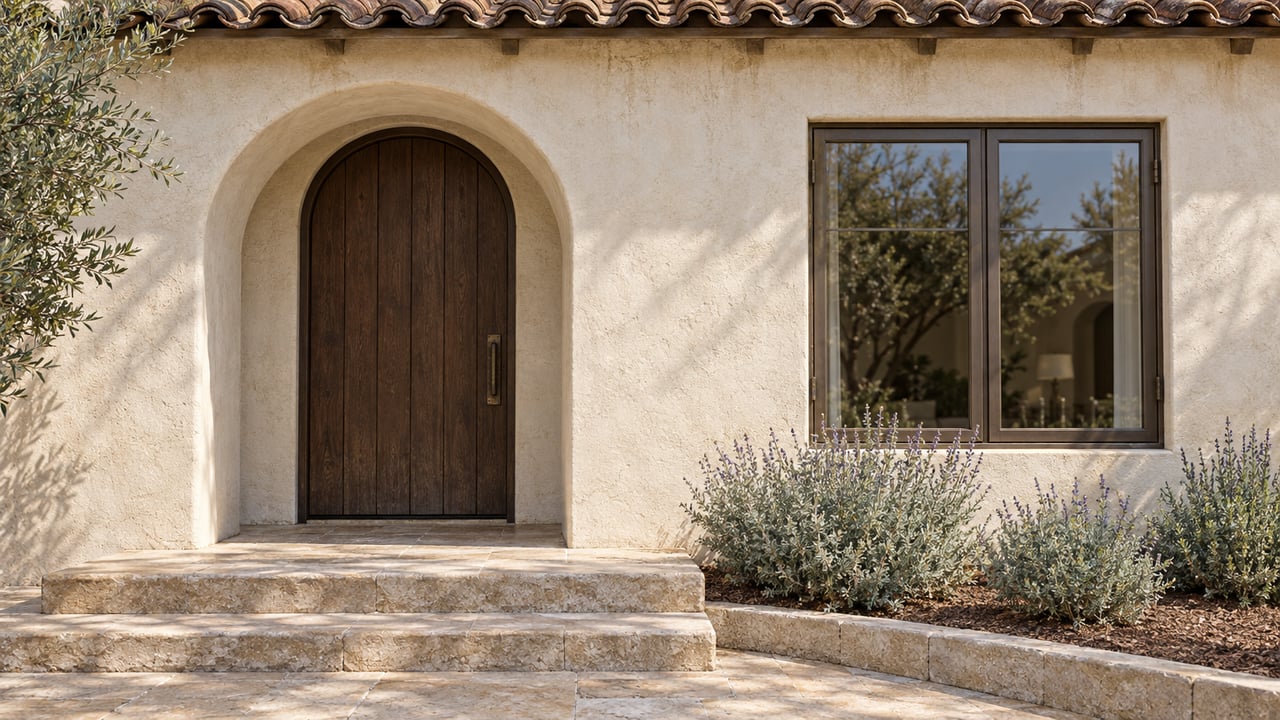
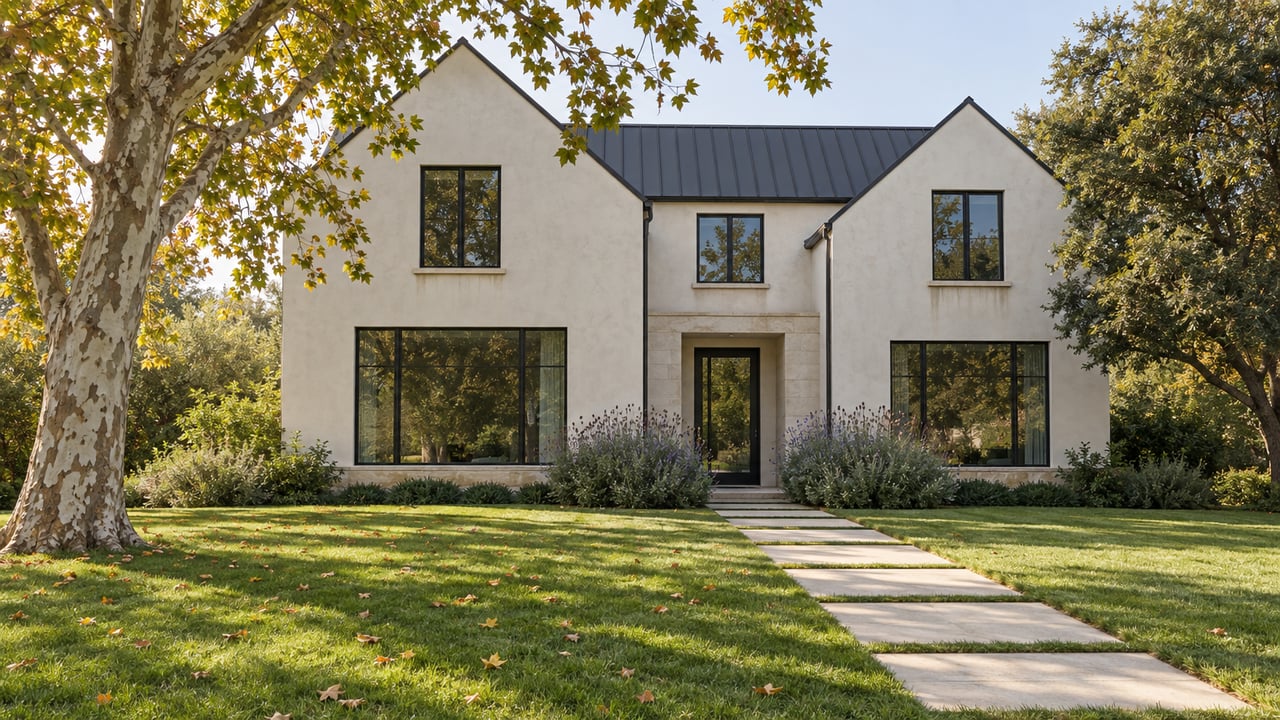
In Los Feliz, character homes are not limited to one look or one era. City planning materials for the broader area point to a rich mix of early 20th-century styles, including Tudor and English Revival, American Colonial Revival, Spanish Colonial Revival, Mediterranean Revival, Mission Revival, Craftsman, and later Modernist examples.
That variety matters because the local market is broader than many buyers assume. Along with single-family homes, the area also includes cottages, bungalows, bungalow courts, and apartment buildings that contribute to the neighborhood’s architectural identity.
Just as important, Los Feliz sits within the Hollywood Community Plan Area, which also includes East Hollywood, Griffith Park, and hillside communities. That means you should not assume one rule or one condition pattern applies to every property. In practice, each parcel deserves its own review.
Old does not always mean historic
One of the biggest buyer mistakes is assuming age alone creates historic status. In Los Angeles, there is a meaningful difference between a designated historic resource, a surveyed resource, and a property that may be older but not formally recognized.
Survey materials also distinguish between contributing, contributing-altered, and non-contributing properties within historic districts. So a house may have charm and visible period details without carrying the same preservation obligations or review process as a formally recognized historic home.
This distinction shapes what you can change later, how permits may be reviewed, and how long future projects can take. If you love architecture and want optionality, this is one of the first things to clarify before you write an offer.
Start with parcel-level research
When you buy a Los Feliz character home, general neighborhood knowledge is helpful, but parcel-level research is what protects you. A smart first step is reviewing the property in ZIMAS, which can show zoning, overlays, planning applications, and building permit history.
ZIMAS can also help you confirm whether a property is subject to additional planning layers. Alongside that, HistoricPlacesLA can help show whether the home is designated, surveyed, eligible, or not currently eligible.
That combination gives you a much clearer picture of what you are buying. It helps answer a practical question early: is this simply an older home with style, or is it a property with preservation implications that may affect your renovation plans?
Review disclosures, then verify them
In California, sellers are required to provide a Real Property Disclosure Statement, and the agent must conduct a visual inspection and disclose readily observable defects. That gives you an important baseline, but with an older Los Feliz home, the disclosure package should be treated as a starting point.
You want to compare disclosures against what inspectors find, what the permit history shows, and what you can observe in the home itself. If a kitchen, bathroom, addition, garage conversion, or major system upgrade appears newer, it is worth checking whether the work aligns with the record.
This is where disciplined review matters. Character homes often carry layers of updates across decades, and the goal is to understand not just what was changed, but how well it was done and whether it was properly documented.
Focus on older-home materials and systems
Many Los Feliz character homes were built long before current material standards existed. If the property was built before 1978, lead-paint diligence is especially important.
Buyers of most pre-1978 housing have the right to know whether lead-based paint or lead hazards are present before signing. Renovation, repair, and painting can create significant lead dust if lead-safe practices are not used, which is why testing may be worth considering when lead is suspected, especially before remodeling.
Asbestos is another issue that can surface in older homes. Many building products used until the 1970s contained asbestos, and the main risk increases when material is damaged or disturbed rather than left intact.
For that reason, a detailed material review is often more valuable than a purely cosmetic walk-through. If you are planning to open walls, refinish surfaces, or rework older finishes, understanding what is in place can materially affect your budget and project sequence.
Pay close attention to hillside and fire-zone factors
Los Feliz is not a flat, uniform neighborhood, and that affects buying strategy. Portions of Los Feliz fall within the Very High Fire Hazard Severity Zone, according to the Los Angeles Fire Department.
For homes near brush, on sloped lots, or in hillside settings, risk review should start early. Fire-zone considerations can intersect with access, landscaping, construction planning, and insurance questions, while hillside conditions can raise concerns around grading, drainage, and buildability.
The City’s Hillside Construction Regulation also adds protections tied to construction-related impacts in hillside areas. If a property combines character-home appeal with a hillside site, you are not just evaluating the house itself. You are evaluating the site, the future project path, and the practical cost of stewardship.
Seismic planning matters in older Los Feliz homes
California earthquake guidance emphasizes practical mitigation measures for vulnerable homes. That includes securing nonstructural hazards and considering retrofit options such as Brace + Bolt where applicable.
For buyers, this is less about fear and more about planning. A character home with original details can still become more resilient, but you want to understand what level of work may be advisable and how it fits with the home’s existing structure and architectural fabric.
This is another reason preservation-aware specialists can add real value. In older homes, design, safety, and long-term maintenance are often connected rather than separate conversations.
Know how preservation rules affect future changes
If a property is within an HPOZ, exterior work is subject to additional review. City Planning notes that this review can extend to landscaping, alterations, additions, and new construction.
Some projects are handled at the staff level, while others also go before the district’s HPOZ Board. If you are imagining new windows, a larger rear addition, a redesigned front yard, or an accessory structure, this can affect timing, design choices, and feasibility.
Designated historic resources also face review for conformance before alteration permits are issued. Historic status does not automatically make demolition impossible, but it can delay demolition while preservation solutions are considered.
The takeaway is simple: ownership may be private, but process still matters. The more a home’s status shapes the approval path, the more important it becomes to align your vision with the local review framework before you commit.
Historic status can also create opportunity
Restrictions get most of the attention, but historic status can also bring benefits. In Los Angeles, the Mills Act may offer a potential property tax reduction for Historic-Cultural Monuments and contributing properties in HPOZs.
That can help offset the cost of substantial rehabilitation and restoration. For the right buyer, this can shift the economics of preserving original materials or investing in a more thoughtful restoration plan.
There is also the California Historical Building Code, which provides alternative regulations for qualified historic buildings and structures. Its purpose is to help preserve historic fabric while still allowing reasonable safety from fire, seismic forces, and other hazards.
If you are buying a recognized historic property, these tools can become part of a more strategic ownership plan. They will not remove complexity, but they can improve flexibility and long-term value alignment.
How to balance charm with function
The strongest Los Feliz purchases usually come from buyers who do not treat charm and function as opposites. A successful strategy starts by identifying which features define the home’s character and which areas can evolve to better support daily life.
That may mean preserving original windows, millwork, plaster, tile, or massing while improving the kitchen workflow, storage, lighting, or structural performance. The point is not to freeze the home in time. It is to improve livability without stripping away what made you want the house in the first place.
In Los Feliz, where architecture often drives emotional connection and long-term value, thoughtful restraint can be just as important as vision. Confidence comes from knowing where to preserve, where to upgrade, and where local rules may shape your next move.
A practical due diligence checklist
Before you move forward on a Los Feliz character home, keep these priorities in view:
- Verify whether the parcel is in an HPOZ or other overlay before planning exterior changes.
- Review ZIMAS for zoning, overlays, planning applications, and permit history.
- Check HistoricPlacesLA to understand whether the property is designated, surveyed, eligible, or not currently eligible.
- Compare the seller disclosure with the home’s current condition and permit record.
- Treat pre-1978 paint as a lead-paint question until proven otherwise, especially before renovation.
- Avoid disturbing suspected asbestos-containing materials during inspections or planning.
- If the lot is hillside or brush-adjacent, factor in fire-zone, grading, drainage, and retrofit questions early.
- Bring in preservation-aware architects or engineers when historic status, older materials, or hillside conditions overlap.
Buying a character home in Los Feliz can be deeply rewarding, but the right purchase is rarely just about style. It is about understanding the house, the parcel, the rules, and the future path of ownership with clear eyes. If you want a measured, design-literate approach to evaluating a Los Feliz property, schedule a private consultation with Antonio Bruno.
FAQs
What makes a Los Feliz home a character home?
- In Los Feliz, character homes often include early 20th-century architectural styles such as Spanish Colonial Revival, Tudor, Mediterranean Revival, Craftsman, Mission Revival, and some Modernist homes, along with cottages, bungalows, and other period building types.
Is every older home in Los Feliz considered historic?
- No. An older home may be designated, surveyed, contributing within a district, altered, non-contributing, or not formally recognized at all, so age alone does not determine historic status.
How can you check historic status for a Los Feliz property?
- You can review parcel-level information through ZIMAS and HistoricPlacesLA to help confirm zoning, overlays, permit history, and whether the property is designated, surveyed, eligible, or not currently eligible.
What should you review before renovating a pre-1978 Los Feliz home?
- You should treat lead paint as a key diligence item, review whether older materials may include asbestos, and avoid disturbing suspect materials before proper evaluation.
How do HPOZ rules affect a Los Feliz character home?
- If a property is in an HPOZ, exterior work such as landscaping, alterations, additions, and new construction may be subject to additional review, which can affect both design options and project timing.
Why do hillside conditions matter when buying in Los Feliz?
- Hillside and brush-adjacent properties may involve added fire-zone, grading, drainage, construction, and retrofit considerations, so the site itself should be evaluated as carefully as the house.