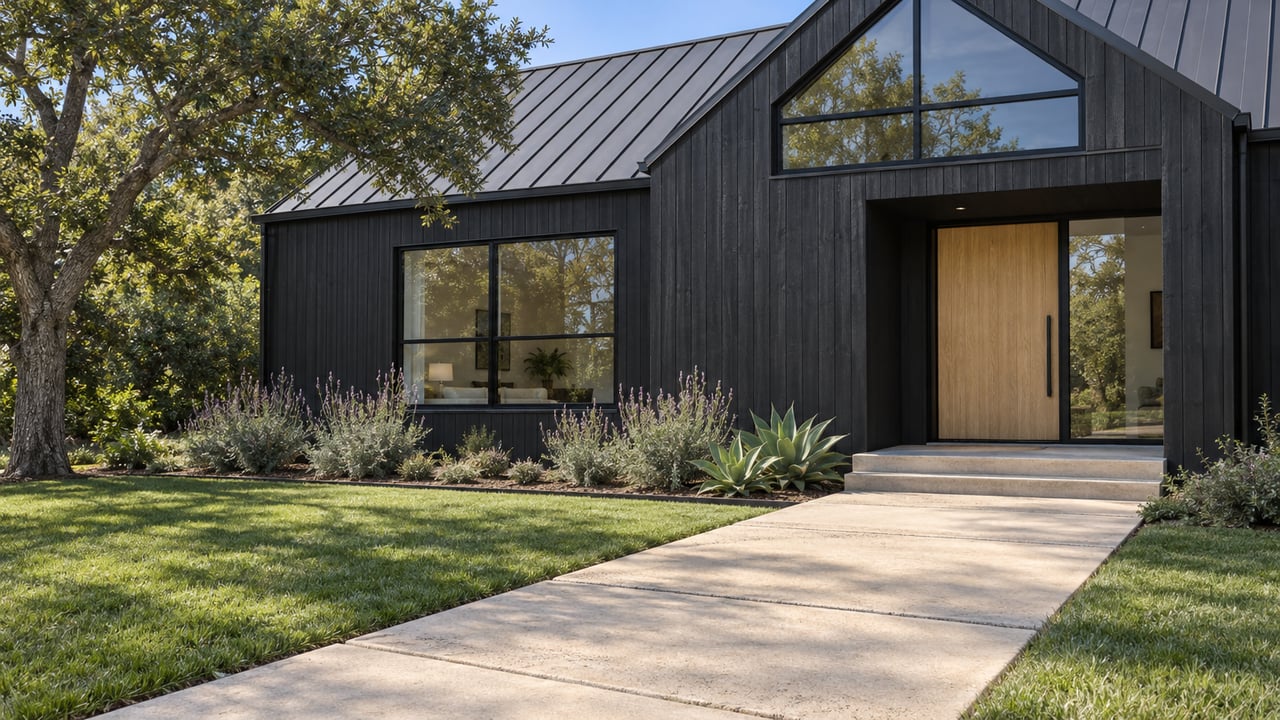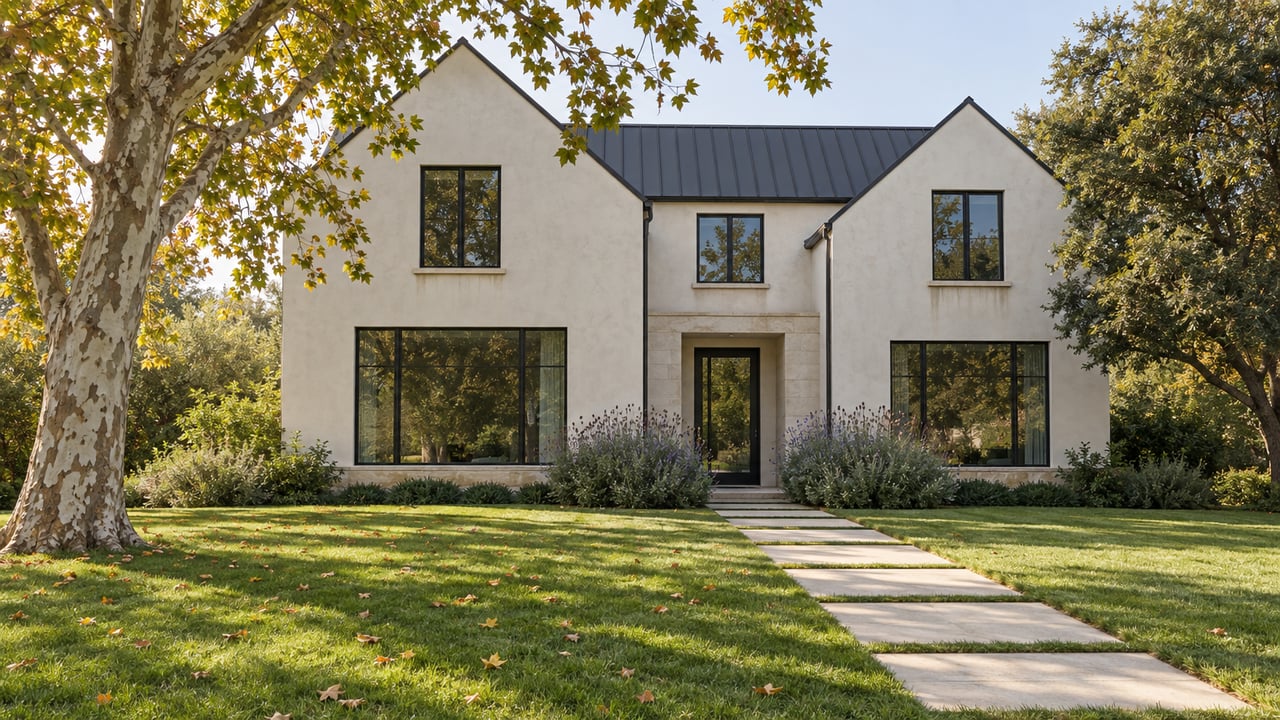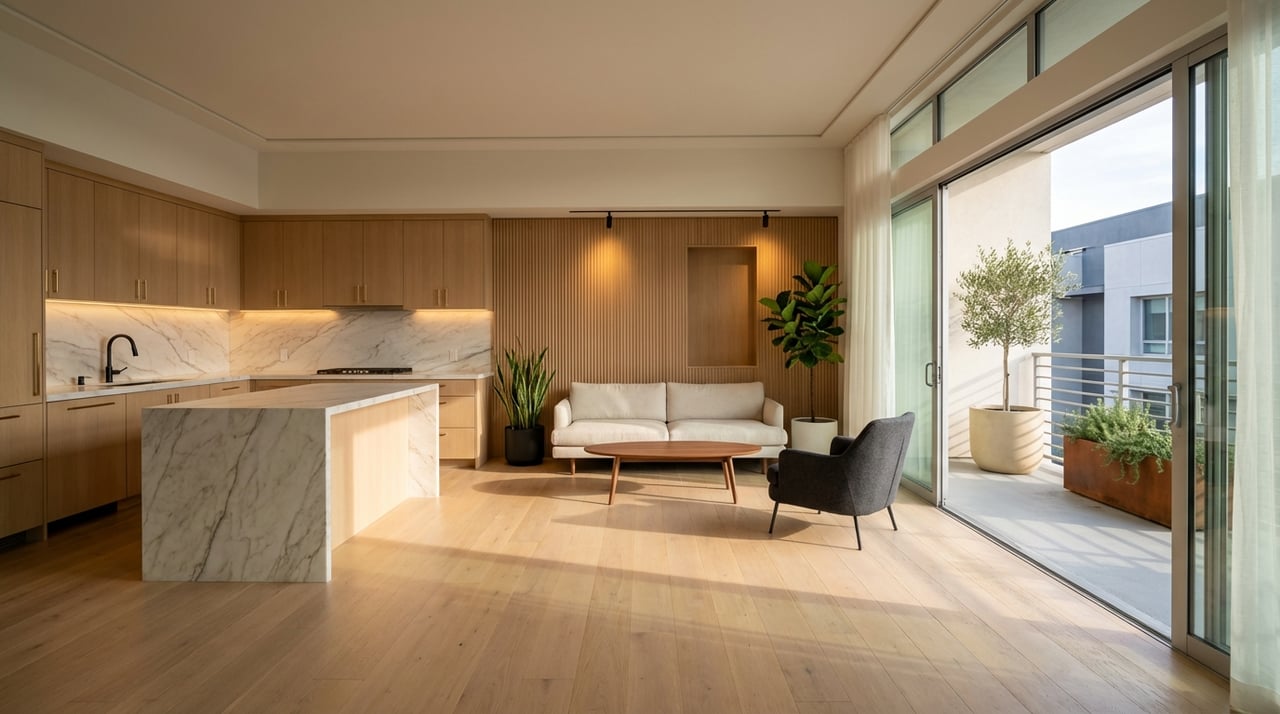
Trying to choose between a condo and a house on LA’s Westside can feel like comparing two great lifestyles with very different cost profiles. You want the right fit for how you live today and how you plan to live in five years. In this guide, you’ll see how prices, HOAs, maintenance, insurance, and financing play out across Santa Monica, Brentwood, Venice, Pacific Palisades, and Playa Vista so you can decide with confidence. Let’s dive in.
Westside market snapshot: what you’re paying for
The Westside sits in a premium tier of the LA market, and medians swing by neighborhood. As one anchor point, Brentwood’s median sale price was about $2.6 million in January 2026, based on Redfin’s market snapshot. You can review current figures on the Brentwood market page.
Santa Monica pricing trends are also well above the LA County average. Recent Redfin snapshots show Santa Monica’s overall median around the mid seven figures, with many condos trading below the top single‑family prices yet still at a premium for LA. Track current conditions on the Santa Monica page.
Within the Westside, condo versus house often maps to different micro‑markets. Beach‑adjacent pockets like Venice command high per‑square‑foot prices for detached homes, while master‑planned Playa Vista leans toward townhomes and condos with community amenities. Those differences matter because your “condo vs house” decision is also a “which neighborhood” decision.
Cost trade‑offs: your monthly reality
Purchase price and property taxes
On the Westside, single‑family homes in neighborhoods like Brentwood and Pacific Palisades generally carry higher purchase prices and, therefore, higher property taxes. Condos and townhomes can lower your entry price in many sub‑areas, but the full cost picture includes HOA dues and potential assessments. Run both scenarios side by side so you see a true monthly total.
HOA dues and special assessments
HOA dues vary widely. Los Angeles County reports show a median in the low‑to‑mid $300s per month, with many buildings above $500 and luxury towers often between $800 and $1,500 or more. The mix of amenities, building age, and reserves drives that spread. For context, see this overview of California HOA fee patterns and variability from Homes4You SD.
Special assessments are a key risk for condo owners. These one‑time charges can fund capital work such as roofing, elevators, or seismic projects. Ask for the last reserve study and board minutes before you commit, and consider loss‑assessment coverage on your condo insurance. You can learn how this coverage works from Insure.com’s guide.
Maintenance: who handles what
With a house, you budget and manage everything. A common rule of thumb is to set aside roughly 1 percent of a home’s value per year for maintenance and repairs. In a high‑cost area like the Westside, that can be a large number. Condos shift major building systems to the HOA, but you still handle interior items. For budgeting context, review this maintenance cost overview.
Insurance: earthquake and more
Condo owners typically carry an HO‑6 policy for interiors, personal property, and liability, and many add loss‑assessment protection. The HOA’s master policy covers common areas and sometimes the exterior, but details vary. In California, earthquake coverage is separate. The California Earthquake Authority offers condo‑unit policies that can include loss‑assessment benefits — the building’s master policy and deductible matter because owners can be assessed. Explore CEA’s condo coverage overview here.
Financing and rules to watch
Condo project approvals
Financing a condo involves both you and the building. FHA requires condo project approval or a single‑unit approval in some cases, and Fannie Mae and Freddie Mac enforce project standards around reserves, delinquencies, litigation, and structural risk. Older or financially weak HOAs can face lending restrictions. Start lender conversations early and ask about the building’s eligibility. FHA guidance is summarized on HUD’s site.
HOA reserves and new California rules
California’s Davis‑Stirling framework requires associations to plan for reserves and to inspect major components on a defined schedule. Recent updates increased inspection and reserve‑study obligations. For any Westside condo, request the budget, the latest reserve study and component inspection, the last 12 months of board minutes, insurance declarations, and a list of any past or pending assessments. For a plain‑English summary of reserve requirements, see this guide.
Seismic retrofit exposure
Los Angeles mandates retrofits for certain multi‑unit buildings, including soft‑story wood structures and some non‑ductile concrete buildings. Many Westside condo buildings from the 1960s to 1980s fall under these programs. Retrofits can be costly and often lead to assessments, so confirm status and timelines during due diligence. Learn about the city’s programs through LA’s Department of Building and Safety here.
Lot flexibility: ADUs and SB9
Single‑family lots now have more potential paths for adding units under California’s ADU laws and the SB9 HOME Act. Real‑world uptake has been limited so far, and local rules shape what is possible on a specific parcel. If long‑term flexibility matters, investigate early. For background on SB9’s potential and limits, review this Terner Center analysis summary.
Lifestyle fit by micro‑market
Santa Monica: walkability and amenities
If you want low‑maintenance living with easy access to dining, shopping, and the beach, Santa Monica condos can make sense. A broad mix of buildings sit near neighborhood centers, which can reduce drive time and increase daily convenience. For pricing context, see current trends on Redfin’s Santa Monica page. Houses in prime pockets trade at a premium, especially near the coast.
Venice vs Playa Vista: different vibes
Venice prioritizes beach proximity, design‑forward homes, and strong per‑square‑foot values for detached properties. Playa Vista offers a master‑planned feel with parks, trails, and a large supply of condos and townhomes that emphasize convenience and community amenities. If you want newer construction and a lock‑and‑leave lifestyle, a Playa Vista condo or townhome may align. If you want architectural variety and private outdoor space near the beach, a Venice house may be the better fit.
Brentwood and Pacific Palisades: space and privacy
Detached homes in Brentwood and the Palisades often win on private outdoor areas, storage, and off‑street parking. That extra space can support hosting, hobbies, and daily routines with fewer compromises. Keep in mind that these neighborhoods trade at premium prices. For a current benchmark, explore Brentwood’s market snapshot and discuss micro‑area differences street by street.
Resale and exit strategy
Condos can attract a broad pool of buyers at certain price points, including first‑time buyers and downsizers. That said, HOA health and lending eligibility can shrink the buyer pool in some buildings. Single‑family homes on the Westside typically appeal to a narrower, higher‑budget audience, yet strong scarcity can support values over time. Your exit strategy should match your property type and micro‑market.
Quick decision framework
Use this simple filter to get closer to the right call:
- Choose a condo if you want walkability, amenities, and less time on upkeep. Budget carefully for HOA dues and potential assessments, and review reserves closely.
- Choose a house if you want private outdoor space, storage, parking, and long‑term control. Plan for higher purchase price, property taxes, and direct maintenance costs.
- If monthly cost stability is a priority, model both options. Include principal and interest, taxes, insurance, HOA dues, and a maintenance reserve.
- If long‑term flexibility matters, a house may offer more pathways for ADUs or SB9 lot‑splits, subject to local rules. See the SB9 context here.
Due‑diligence checklist
For condos and townhomes:
- Request the HOA budget, latest reserve study or 3‑year inspection, last 12 months of board minutes, and insurance declarations, including the master policy deductible. Confirm any recent or pending special assessments and whether earthquake coverage is in place at the association level. Review owner‑occupancy ratios, rental caps, and any litigation. See an overview of reserve‑study requirements here.
- Ask if the building is subject to LA’s mandatory seismic retrofit programs and the project’s expected scope and timing. Learn more about program types here.
- Discuss loss‑assessment coverage with your insurance agent and review the building’s master policy type.
For single‑family homes:
- Order or review recent roof, HVAC, plumbing, termite, and structural reports. Verify lot lines and easements. Ask the city about ADU feasibility or SB9 lot‑split pathways for the parcel. Local rules vary, and implementation may limit near‑term options. Background on SB9 is summarized here.
For financing and timing:
- Get preapproved early. If buying a condo, ask your lender about project eligibility and whether any HOA conditions could block the loan. FHA’s condo framework is explained on HUD’s site.
For insurance planning:
- Remember that earthquake coverage is separate in California. Condo owners should evaluate loss‑assessment endorsements. Learn about condo‑unit earthquake options via the California Earthquake Authority.
Next steps
The right choice is personal. If you want a calm, data‑driven process that weighs cost, risk, and lifestyle across specific Westside blocks and buildings, let’s talk. Schedule a private consultation with Antonio Bruno to map your options and move with clarity.
FAQs
What are typical HOA dues for Westside condos?
- Los Angeles County medians cluster in the low‑to‑mid $300s per month, with many buildings above $500 and luxury towers often $800 to $1,500 or more. See this overview of fee variability from Homes4You SD.
How do special assessments work for LA condos?
- Associations can levy one‑time assessments to fund capital projects like roofing, elevators, or seismic work. You can add loss‑assessment coverage to a condo policy to help with qualifying charges. Learn more at Insure.com.
Are older Westside condo buildings subject to seismic retrofits?
- Many multi‑unit buildings fall under Los Angeles’s mandatory soft‑story or non‑ductile concrete programs. Always verify whether a building is on a retrofit list and the expected project timing. Program info is available from LADBS.
Can I use FHA to finance a condo in Los Angeles?
- Possibly. The project may need FHA approval or you may pursue a single‑unit approval, and lenders also apply agency rules around reserves and building health. Start early and review eligibility with your lender. See HUD guidance.
Do single‑family lots on the Westside allow ADUs or SB9 lot‑splits?
- ADUs are widely supported by state law, and SB9 may allow duplexes or lot splits. Real‑world use depends on local rules and site specifics, so verify feasibility with the city. SB9 background is summarized here.
How do Santa Monica condo prices compare to houses?
- Recent Redfin snapshots show Santa Monica’s condo medians below top single‑family prices yet still at a premium versus many LA areas. For current figures, review Redfin’s Santa Monica page.