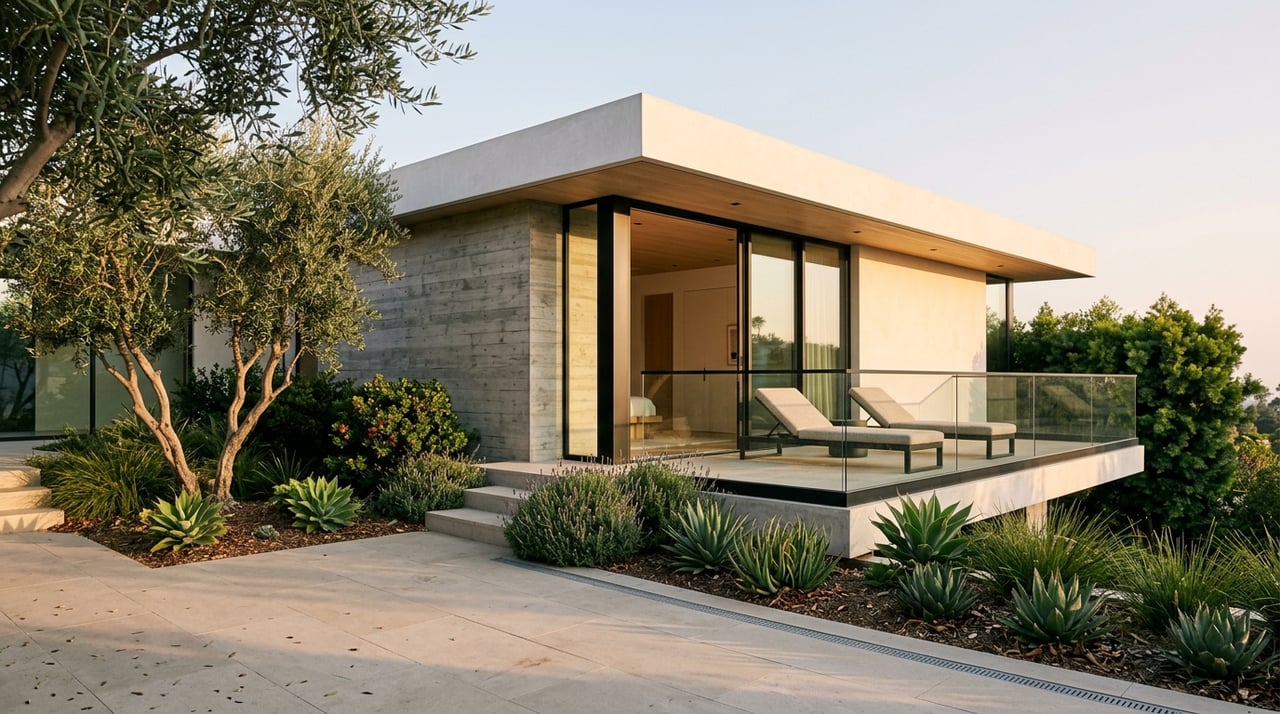
Why do some Hollywood Hills homes feel different from morning to night, or even street to street? If you are drawn to light, views, and architecture, that question is more than curiosity. It guides what you buy, how you live, and where value hides on a hillside lot. In this guide, you will learn how the hills shape design, how light and privacy are choreographed, and what to look for on a tour so you can choose with confidence. Let’s dive in.
The setting shapes design
The Hollywood Hills run along the southern edge of the Santa Monica Mountains, with ridge-and-canyon pockets like Laurel Canyon, Beachwood Canyon, the Bird Streets, Nichols Canyon, Mount Olympus, Outpost Estates, and Whitley Heights. City planning treats this area as the Hollywood Community Plan area, which helps explain consistent hillside standards and constraints across neighborhoods. You can see that framework in the City’s overview of the Hollywood Community Plan area.
Steep slopes and narrow, winding streets are the constant. Many lots drop from the roadway, so architects stack floors and terrace outdoor spaces to create usable living and entertaining zones. That topography is why you so often see garages at street level and primary living spaces up or down a level, positioned to grab the best view.
Light, marine layer, and views
Los Angeles has a Mediterranean climate with a seasonal marine layer that locals nicknamed May Gray and June Gloom. On many spring and early summer mornings, that layer softens contrast and can briefly obscure distant views before it lifts. The Los Angeles Times explains how the marine layer works and why mornings can feel cooler and more diffused.
On clear days, elevation above the basin creates long, layered vistas that define the Hollywood Hills experience. It is one reason you will see floor-to-ceiling glass, deep terraces, and pools aligned to the skyline. As a buyer, plan at least two visits to any view home: one in full daylight and one after dark.
Architectural styles you will see
Mid-century modern
Glass, steel, and daring cantilevers are part of the hills’ DNA. Icons such as Pierre Koenig’s Case Study House 22, known as the Stahl House, helped set that standard. For a touchstone, see how the Stahl House continues to influence design and market conversation.
Spanish and Hollywood Regency
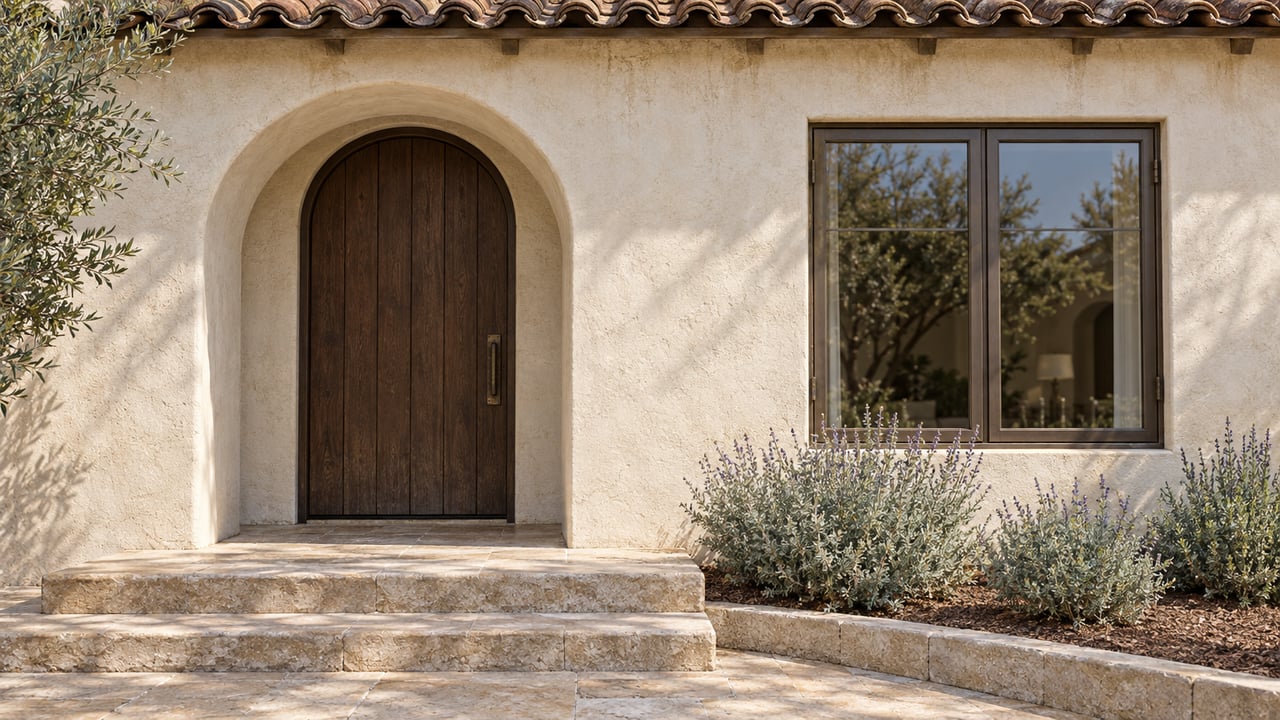
In older pockets, 1920s to 1940s revival homes bring red tile roofs, courtyards, and formal rooms. Many orient inward to private garden terraces or protected courtyards. The focus is less on full glass walls and more on framed, intimate outdoor rooms.
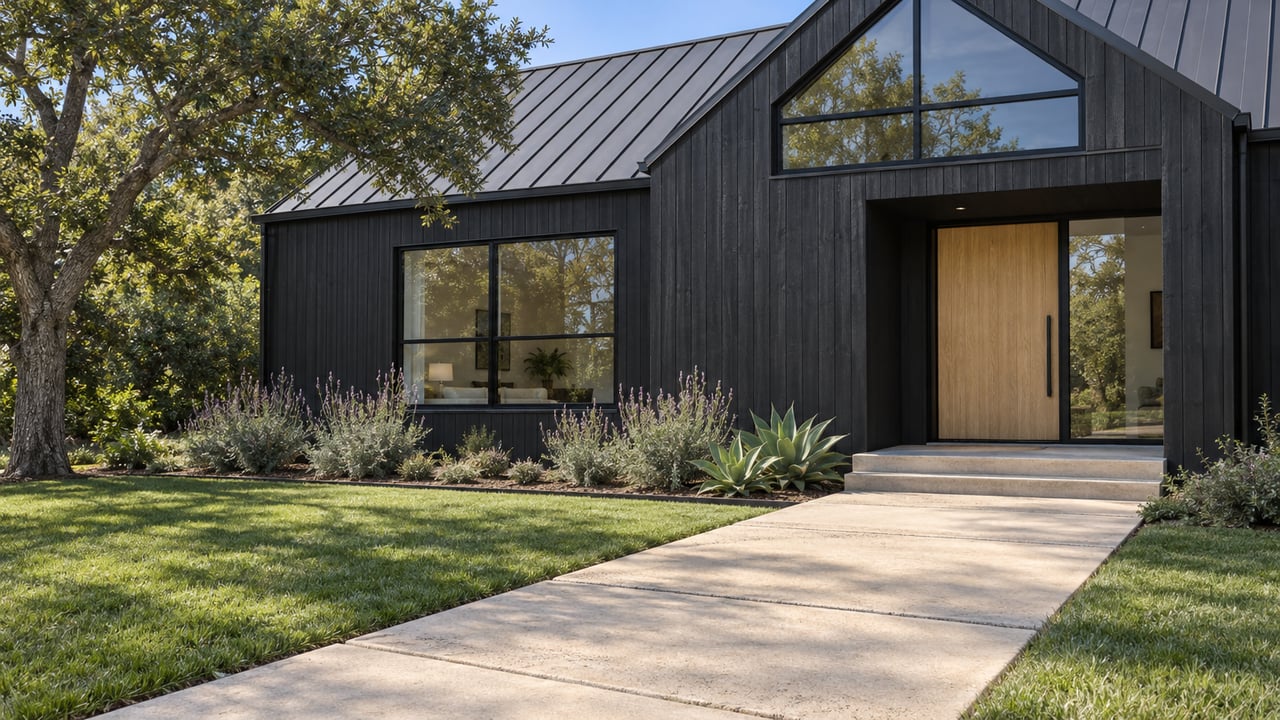
Contemporary glass and minimalism
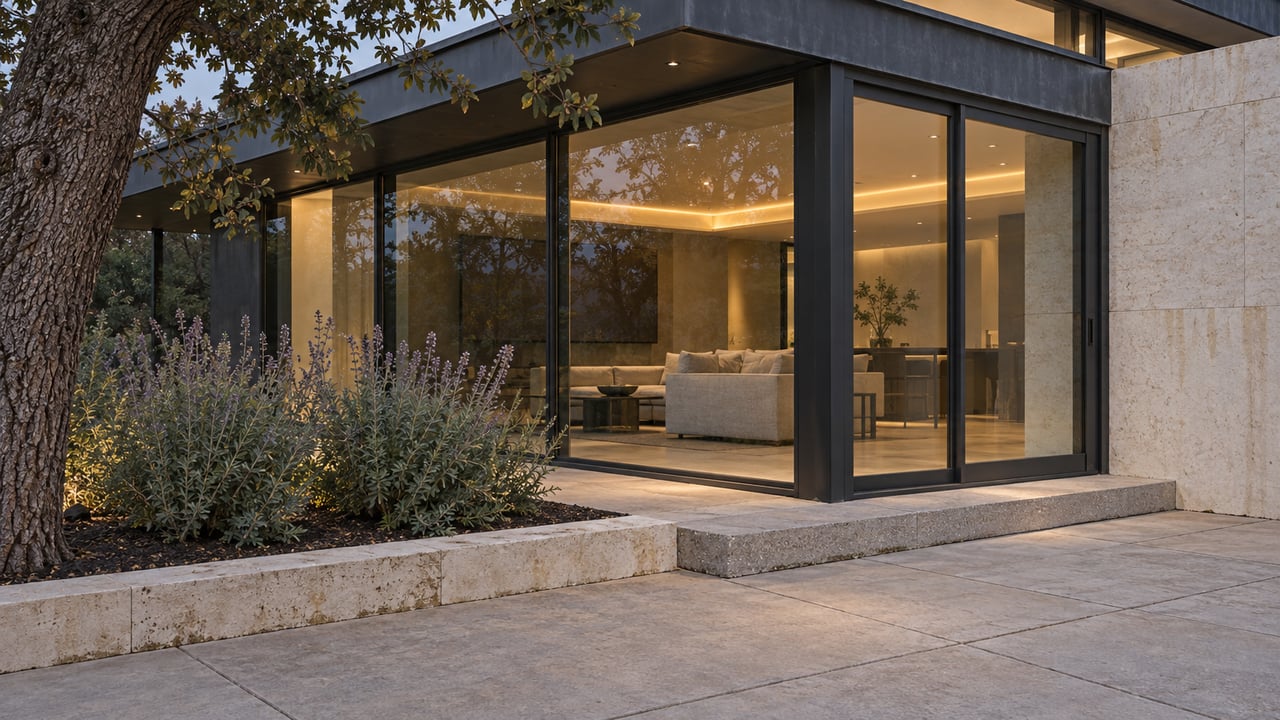
Newer builds lean into full-height glazing, clean lines, and raw materials like concrete and steel. They often pair expansive great rooms with large terraces and infinity-edge pools to erase the line between inside and outside. For a sense of current patterns, review this contemporary hillside project with sliding glass walls and terrace integration.
How plans meet the slope
Entry and garage level
Because many lots sit above or below the road, architects often place parking and service spaces on the street side. The main living floor then sits either above or below, connected by a clean stair or elevator. This vertical move is a practical response to grade and access, a pattern explained in architectural practice references like the Architectural Design Portable Handbook.
Living and terrace level
To maximize horizon lines, the living, dining, and kitchen often occupy the level with the strongest panorama. Large sliding or pocket doors open that space to a long deck or pool terrace, turning the view into part of daily life. This layout is one reason entertaining feels effortless in the hills.
Courtyards and outdoor rooms
Terraced gardens, stepped decks, and courtyard cuts create flat, usable spaces without over-grading. Older homes often favor inward courtyards for privacy. Newer builds tend to frame outward views, using deep overhangs and covered patios to make those terraces comfortable most of the day.
Framing views and sequencing light
Architects in the hills treat the view like a material. You will see long horizontal glass bands that pull the skyline into the room, corner windows that open up diagonals, and clerestory windows that bring in sky without compromising privacy. The best homes present a sequence of views as you move, not just one tableau.
You should also test the night experience. Glass reflects interior light, so bright rooms can wash out distant city lights if shades are open or lighting is not dimmed. Turn the interior lights down and step to the terrace to evaluate how the city grid reads after dark.
Sun, heat, and comfort without losing the view
Los Angeles sun is generous, so the right glazing and shading strategy matters. Designers use overhangs, operable exterior screens, and recessed terraces to control glare, then select glass with coatings that admit light while managing heat. The Department of Energy outlines how shading devices and spectrally selective glazing support comfort and clarity in design guidance for high-performance building envelopes.
As a buyer, note whether large openings face afternoon sun and how the home manages that exposure. Look for thoughtful shade where you will actually sit, cook, or work.
Privacy that keeps the view
Transparency does not have to mean exposure. Techniques like fritted or patterned glass, perforated screens, and layered landscaping can protect privacy while preserving daylight and outlook. For a design reference, see how architects deploy translucent glazing and screening in projects like Wiel Arets’ V House.
On tour, study what stands between the street and the living areas. Smart screening often signals a well-composed plan rather than a last-minute fix.
Hillside rules that shape scale
Most Hollywood Hills parcels sit in mapped Hillside Areas, where the City’s Baseline Hillside Ordinance, or BHO, regulates grading, massing, and slope band calculations. The ordinance commonly affects how large a project can be by right and how much earth can be moved. To understand the code layer that owners and architects navigate, review the City’s BHO guidance and staff report.
In select pockets, a Hillside Construction Regulation overlay adds limits on haul routes and total cut and fill to reduce construction impacts. The City’s fact sheet outlines where and how it applies in the HCR overlay FAQs. Separately, the Department of Building and Safety manages grading permits, soils reports, and special procedures for Hillside Grading Areas. This is why you should always ask about permit history on retaining walls, drainage, and major landscape changes.
Wildfire, vegetation, and outdoor exposure
The Hollywood Hills lie within or adjacent to Very High Fire Hazard Severity Zones. That reality shapes landscaping, exterior materials, and maintenance, including required brush clearance and defensible space. Local organizations provide practical checklists and education, such as the Hollywood Hills Fire Safe Council’s prevention resources.
As you evaluate a yard or slope-side terrace, consider how vegetation affects both safety and views. Well-planned planting can maintain outlooks while improving resilience.
What to look for on a tour
Use this quick checklist to read how a home handles light, views, and slope:
- Day and night views. Visit in daytime and after dark. Dim interior lights at night to judge how clearly the skyline reads.
- Primary living level. Note where the great room sits relative to the street. Count stairs and check for an elevator if vertical circulation is significant.
- Indoor to outdoor flow. Look for pocket sliders, covered terraces, and seating zones by the kitchen or grill that make daily use easy. See how thresholds manage glare and breeze.
- Evidence of engineering. Identify retaining walls, stepped terraces, and drainage scuppers. Ask for permits and soils reports for significant walls or grading.
- Privacy solutions. Observe whether privacy comes from planting, screens, translucent glass, or courtyard orientation. Each creates a different mood.
- Fire-safety measures. Look for defensible space, noncombustible cladding near slopes, and ember-resistant vents. Ask about annual brush clearance routines.
Buying and selling with precision
In the Hollywood Hills, architecture, light, and views are not just aesthetic notes. They are core value drivers that affect price, comfort, and long-term maintenance. A careful read of the site, plan, glazing, and code history will help you separate photogenic moments from lasting quality.
If you want a clean plan for your next move, I can help you evaluate view corridors, light management, and hillside disclosures before you commit. For quiet, high-touch representation supported by Sotheby’s global reach, connect with Antonio Bruno to schedule a private consultation.
FAQs
What defines Hollywood Hills architecture for buyers?
- A mix of mid-century modern landmarks, 1920s to 1940s Spanish and Hollywood Regency homes, and contemporary glass-and-concrete builds that prioritize views and indoor-outdoor living.
How does the marine layer affect views in the Hills?
- Morning marine layer can soften or obscure distant views in late spring and early summer, then clear to reveal long vistas, so plan both morning and afternoon tours.
Why are many Hills homes multi-level with street-level garages?
- Steep lots and narrow roads drive vertical layouts, with parking at the street and main living spaces stacked to align with the best panorama and usable terraces.
What are the BHO and HCR, and why do they matter?
- The Baseline Hillside Ordinance limits grading and massing, while the HCR overlay can restrict cut, fill, and haul routes; together they shape size, scope, and timelines.
What should I ask about retaining walls and grading during due diligence?
- Request permits, soils and geotech reports, and maintenance history for retaining walls and terraces, plus drainage details and any hillside grading approvals.