Deciding between Beverly Hills’ Flats, the Hills, and Trousdale often comes down to three things: terrain, design rules, and how you want to live day to day. You might be weighing walkable streets and classic estates against ridge-top views or hillside privacy. This guide shows you how each area works in practice, what you can build, and the checks to run before you write an offer. Let’s dive in.
Quick orientation: Flats, Hills, Trousdale
Beverly Hills organizes its single-family homes into three regulatory areas: the Central Area (the Flats), the Hillside Area, and Trousdale Estates. Each has its own development standards and permit paths. You can confirm the official framework on the City’s Single-Family Regulations page. The rules you follow depend on the zoning designation, not what locals call the neighborhood. You can verify a property’s designation using the City’s zoning map.
- City reference: see the City’s Single-Family Regulations.
- Zoning confirmation: check the official Zoning and Use Designation Map.
Topography and lot feel
Topography shapes everything you experience at home: light, views, privacy, and even how you park or host.
The Flats
The Flats are broadly level, with a grid of wide, tree-lined streets and mostly rectangular parcels. This is the most walkable part of Beverly Hills among the three, with easy access to restaurants and services. Flat pads make pools, lawns, and accessory spaces straightforward to use. The City’s General Plan and surveys describe this as the Central Area for regulatory purposes.
The Hillside Area
North of Sunset, the Hillside Area brings steeper slopes and canyon edges. Parcels are often irregular and terraced, which can deliver drama and privacy. Expect site-specific engineering, retaining solutions, and more complex driveways. The City identifies greater slope and landslide hazards here, which adds planning and permitting steps.
Trousdale Estates
Trousdale sits higher on the ridgeline with promontory lots oriented to sweeping city-to-ocean vistas. Elevations on the ridge reach roughly the 1,100-foot range, which explains the long view corridors and sun exposure many homes enjoy. Lots are typically configured to point living spaces and terraces toward the view.
- Elevation and siting context: see Trousdale’s ridge position via Topozone.
What you can build: rules that matter
The three areas follow different minimum lot sizes, floor-area formulas, and height or pad rules. These directly affect remodel scope, additions, and new construction.
- Minimum lot sizes from the City’s Appendix B, Table B-3:
- Central Area north of Santa Monica Boulevard: about 13,000 square feet minimum.
- Central Area south of Santa Monica Boulevard: about 7,500 square feet minimum.
- Hillside Area: 43,560 square feet minimum (1 acre).
- Trousdale Estates: 43,560 square feet minimum (1 acre).
You should always confirm a specific address in the City’s standards, since many parcels predate later zoning updates. The City’s Appendix B provides the core tables you will use during planning.
- Development standards reference: City General Plan Appendix B single-family standards.
Key Hillside triggers
The Hillside Area often requires geological and foundation investigations when slopes exceed certain thresholds. Separate grading and haul-route rules can apply to hillside work. This increases planning time and geotechnical costs, which should be modeled early.
- Code overview: review hillside geotechnical and grading triggers in the Municipal Code.
Trousdale’s defining rules
Trousdale’s code creates a distinct, low-profile architecture and a consistent streetscape. Two rules shape almost every project:
- Structures must stay on the level pad. No building beyond the level pad, except limited elements like fences or hedges.
- There is a 14-foot maximum structure height, with only narrow exceptions via a specific permit.
These rules keep silhouettes low, protect views, and limit multi-story replacements that are common in other LA hill neighborhoods. If you plan to add onto or rebuild in Trousdale, study these limits first.
- Code reference: Trousdale Estates R-1 standards and height limits in the City’s Municipal Code.
View preservation in Trousdale
Trousdale has a city-adopted View Restoration Ordinance with a defined outreach, mediation, and hearing process to address view-blocking vegetation. It also sets hedge and landscaping standards. If sightlines matter to you, learn the guidelines and Safe Harbor standards and review nearby foliage relationships before you commit.
- Process and standards: the City’s Trousdale View Restoration Guidelines.
Architecture and character
The Flats
You will see early 20th-century revival styles, including Mediterranean and Spanish-Revival, French-inspired estates, and Tudor-influenced designs, alongside updated contemporary mansions. The flat, generous lots support classic layouts with large rear yards and pools.
- Context: the City’s historic resources survey outlines prevalent styles in the Central Area. See the Beverly Hills historic resources survey.
The Hillside Area
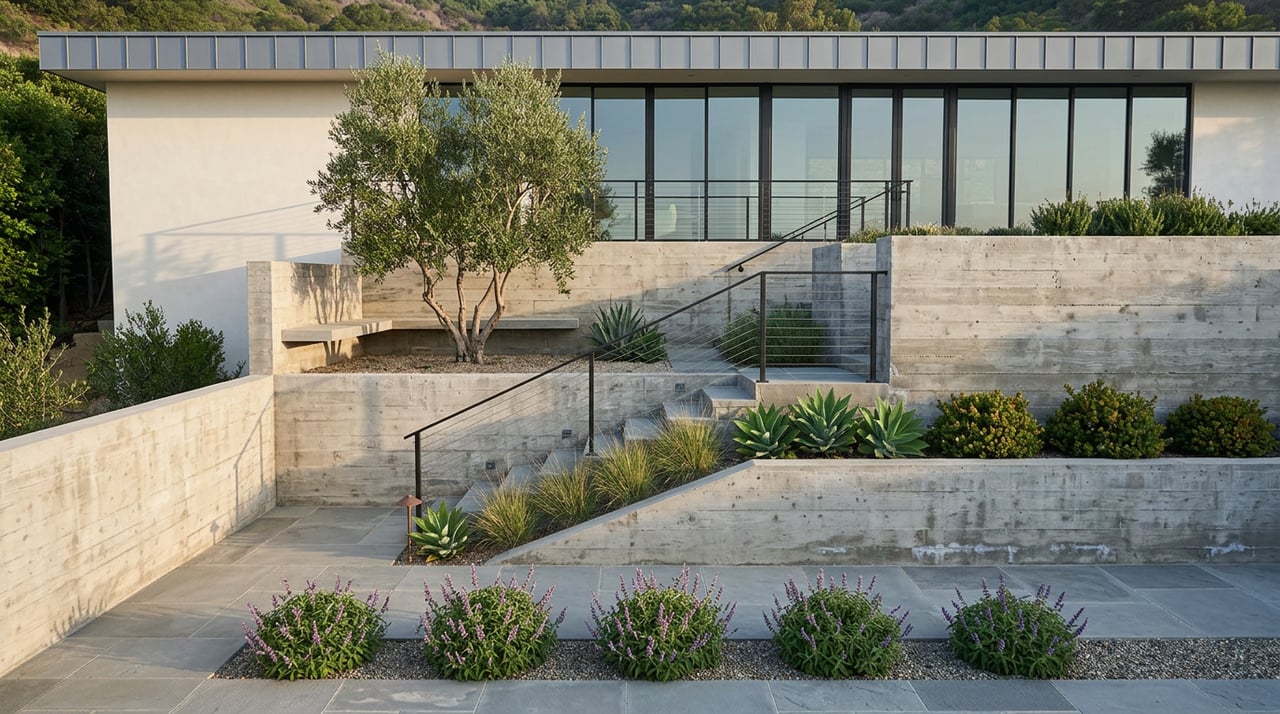
Architecture varies, from substantial custom Mediterranean or Spanish homes to modern, terraced designs that step with the slope. Privacy and view capture drive many choices, which is why you see multi-level layouts and dramatic glazing in select spots.
Trousdale Estates
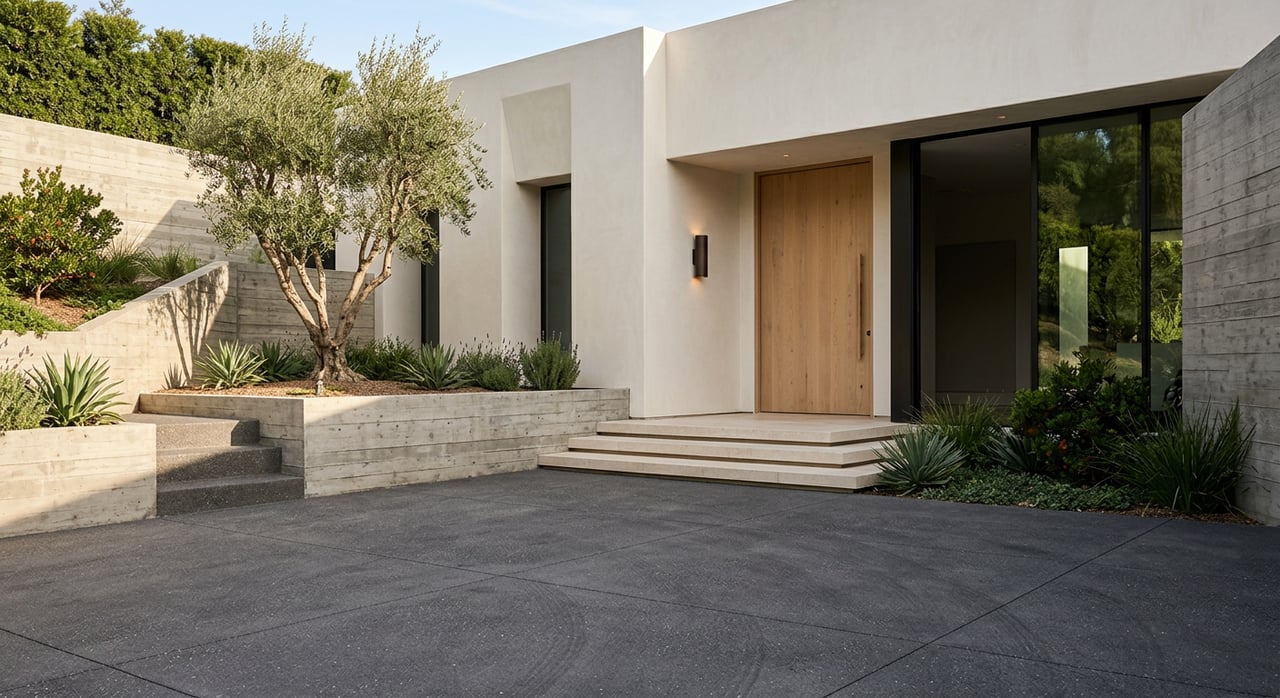
Trousdale is famous for its post-war mid-century and California modern pedigree, with works by noted architects such as Paul R. Williams, Edward Fickett, A. Quincy Jones, and others. The code’s height and pad controls reinforce the low, horizontal profiles and expansive decks that define the neighborhood’s look.
- Architectural lineage: learn more about the neighborhood’s design heritage via the Paul R. Williams Project.
Lifestyle and access
The Flats
If you want the easiest daily logistics and more pedestrian activity, the Flats offer the most walkable setup of the three. You are closer to the Golden Triangle, Rodeo Drive, Beverly Drive, and City services. Flat parcels make maintenance and entertaining straightforward.
- Neighborhood overview: a helpful summary of the area’s walkable character is available on Love Beverly Hills.
The Hillside Area
You gain seclusion and a more private feel. The tradeoffs include winding roads, steeper driveways, and more planning around wildfire readiness. The City identifies significant portions of the hills and canyons as Very High Fire Hazard Severity Zones, which influences brush clearance, insurance, and emergency planning.
- Fire and hazard planning context: see Appendix B’s planning standards.
Trousdale Estates
This is about views, privacy, and a consistent design language. Trousdale is less walkable to retail than the Flats and leans into private entertaining, terraces, and sunsets. The View Restoration framework is unique here, which helps maintain sightlines across the ridge.
Buyer due diligence checklist
Use this list to reduce surprises and sharpen your plan before offering.
- Confirm the zoning area for your address. Check whether it is Central Area, Hillside Area, or Trousdale. Start with the City’s Single-Family Regulations and verify on the Zoning Map.
- Verify minimum lot size and floor-area rules. Appendix B sets different minimums for each area and outlines floor-area formulas that affect additions and rebuilds. See the City’s Appendix B standards.
- For hillside or Trousdale properties, obtain geotechnical and grading records. Confirm whether a legal pad exists and whether slopes trigger hillside plan checks. Review hillside triggers in the Municipal Code.
- If views matter and the home is in or near Trousdale, study the View Restoration process and hedge standards. Read the City’s Trousdale View Restoration Guidelines.
- Check height limits early. Trousdale’s 14-foot height maximum and level-pad rule shape what is possible for additions or a new build. See the Trousdale code section.
- Map the permit path. Central Area homes follow Design Review; the Hillside Area and Trousdale use their own R-1 permits and processes. Start on the City’s Single-Family Regulations page.
- Budget for hillside logistics. In the Hillside Area and Trousdale, plan for construction parking, haul routes, slope stabilization, and potential grading bonds or conditions.
- Review wildfire insurance and defensible space. For hillside addresses, confirm current insurance options and the City’s brush clearance expectations in Appendix B.
- Use street-level comps. The market is low-volume and trophy-weighted. Median numbers can swing with one or two sales, so rely on fresh, hyperlocal comps for pricing and negotiations.
Which area fits you?
- Choose the Flats if you want a level estate lot, a traditional yard-and-pool setup, and the easiest walkability to Beverly Hills’ commercial core.
- Choose the Hillside Area if you prize privacy and unique site character, and you are comfortable planning around slopes, engineering, and wildfire readiness.
- Choose Trousdale if view corridors, a single-story modern aesthetic, and a neighborhood-wide view framework are your priorities.
If you want help pressure-testing your fit, we can model remodel scope against code limits, surface any permit risks, and assemble geotechnical, design, and insurance inputs before you commit.
Ready to move with clarity in Beverly Hills? Connect with Antonio Bruno to align your lifestyle goals with the right lot, rules, and long-term value.
FAQs
What defines the Flats, the Hills, and Trousdale in Beverly Hills?
- The City groups single-family homes into the Central Area (Flats), the Hillside Area, and Trousdale Estates, each with distinct development standards you can review on the City’s Single-Family Regulations page and zoning map.
What is the Trousdale height limit and pad rule?
- Trousdale generally caps structures at 14 feet and requires building on the property’s level pad, with only narrow exceptions via a Trousdale R-1 permit as outlined in the Municipal Code.
How do views and privacy differ across the three areas?
- Trousdale is oriented to panoramic ridge-top views with a neighborhood view-restoration framework; the Hillside Area offers seclusion with site-specific view opportunities; the Flats favor classic estate privacy with less elevation-driven outlooks.
What due diligence is most important before buying in the Hillside Area?
- Obtain geotechnical and grading records, check hillside triggers in the Municipal Code, confirm access and driveway feasibility, and review wildfire planning, brush clearance, and insurance options.
Are there walkability differences I should consider?
- Yes. The Flats offer the most walkable access to Beverly Hills retail and services; the Hillside Area and Trousdale prioritize privacy and views over proximity to shops, with more reliance on driving.
How does wildfire planning affect hillside homes in Beverly Hills?
- Significant portions of the hills and canyons are in Very High Fire Hazard Severity Zones, which impacts brush clearance requirements, defensible space planning, and may influence insurance availability and cost.