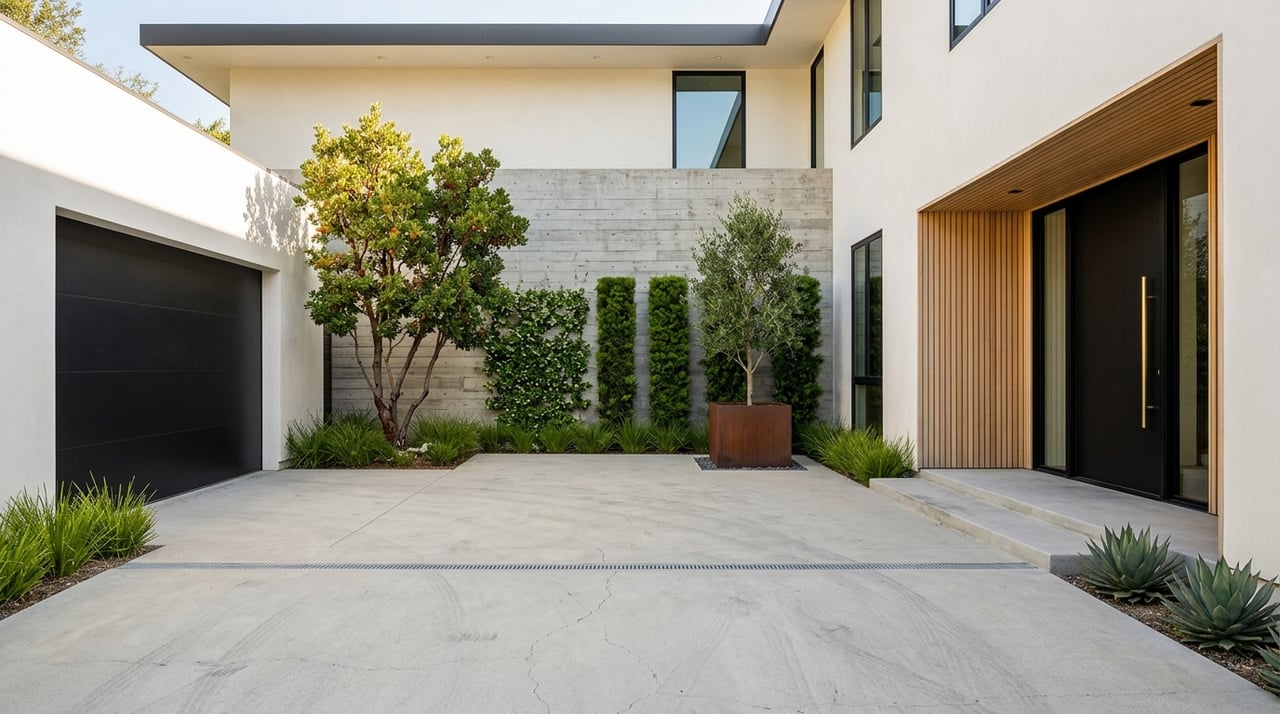
If you are searching for a home in the Hollywood Hills, privacy and access can shape your experience as much as the architecture or the view. A house may feel wonderfully tucked away, but the same features that create seclusion can also affect your drive in, guest parking, delivery access, and emergency logistics. The good news is that with the right framework, you can evaluate both clearly before you commit. Let’s dive in.
Why privacy and access matter here
In the Hollywood Hills, privacy and access are closely tied to topography, street design, and City rules. The Hollywood Community Plan area includes hillside communities where adopted maps and overlays such as the Hillside Construction Regulation and the Mulholland Scenic Parkway Specific Plan can affect how a property functions today and what may be possible later.
That means your analysis should go beyond finishes and square footage. In this part of Los Angeles, the lot’s slope, the street it fronts, and the home’s position relative to neighboring properties can materially change day-to-day comfort.
Start with the lot, not the listing
A polished listing can highlight views, terraces, and walls of glass, but privacy in the Hills starts with the land itself. The City’s Baseline Hillside Ordinance treats hillside development as a topography-driven issue, using slope-based floor area ratios, setbacks, height limits, and grading standards.
In simple terms, steeper lots face tighter design constraints. That matters because two homes with similar interior square footage may have very different sightlines, window exposure, and outdoor privacy depending on the slope and buildable envelope.
Check the vertical relationship
One of the most useful questions you can ask is whether the home sits above, below, or level with nearby houses. In hillside settings, that vertical relationship often matters more than lot size alone.
A home perched above its neighbors may gain stronger views and a more open feel, but it can also be more visible from below if terraces, pool decks, or large windows face outward. A home below neighboring rooflines may feel sheltered, though it may also receive more direct overlook from adjacent lots.
Review rooflines and window placement
When you tour a property, pay close attention to finished-floor elevation, roofline height, and the placement of major windows and outdoor living areas. These details help you understand where sightlines begin and end.
This is especially important in a neighborhood known for dramatic grades. Privacy is often not about whether someone is physically nearby. It is about whether they can see into key spaces where you actually live.
Street frontage changes the privacy equation
Not every Hollywood Hills street functions the same way. The City distinguishes between standard streets and what it calls a Substandard Hillside Limited Street, defined as a public or private street under 36 feet wide and paved to less than 28 feet of roadway width.
That classification can affect front-yard rules, parking, and access. From a buyer’s perspective, it can also influence how a home sits on the parcel, how exposed it feels from the street, and how much privacy screening you may want from landscaping, walls, or grade changes.
Ask how visible the home is from the road
Some hillside homes are hidden behind a bend, gate, or change in elevation. Others sit directly on a narrow street where headlights, pedestrians, and parked cars create more exposure than you might expect from the address alone.
As you evaluate a property, think about the approach in both directions. Consider what is visible during the day, what changes at night, and how the house feels from the street when garage doors, gates, or large front-facing windows are part of the design.
Access is route-specific
One of the biggest mistakes buyers make in the Hollywood Hills is assuming access quality can be judged by neighborhood name alone. It cannot. The Hollywood Community Plan circulation map classifies streets from freeways and major highways down to local streets, country roads, and private streets, and major corridors such as Sunset Boulevard, Franklin Avenue, Cahuenga Boulevard, Laurel Canyon Boulevard, and Mulholland each shape daily access differently.
That is why two homes located just minutes apart on a map can offer very different daily routines. Your actual route in and out matters more than the broader label attached to the area.
Drive the route more than once
A property that feels convenient at 11 a.m. may feel very different during a weekday commute, evening return, or weekend event traffic. If possible, test the route at multiple times so you understand the practical rhythm of the location.
Pay attention to turns, sightlines, road width, and how comfortable the final approach feels. In the Hills, the last few minutes of the drive can define the whole access experience.
What to assess on-site
The Los Angeles Fire Department’s Hydrants and Access Unit reviews access through existing and proposed public and private streets and fire lanes. Its review factors include width, turnarounds, turning radii, grade access points, parking restrictions, overhead clearances, load capacity, and secured entrances.
That same framework is helpful for buyers because it mirrors real-life use. A property can look compelling online, yet prove awkward if the driveway is too steep, the turnaround is tight, or access becomes difficult when guests or service vehicles are present.
Use this access checklist
When comparing hillside homes, look closely at:
- Driveway width and steepness
- Ease of turning into and out of the property
- Turnaround space for daily use
- Garage access and guest arrival flow
- Street width in front of the home
- On-street parking conditions
- Overhead clearance and gate access
- How the route would feel at night or in poor weather
These details may sound technical, but they often determine whether a home feels effortless or demanding after the first few weeks.
Watch for substandard street issues
On hillside lots that front a Substandard Hillside Limited Street, access can become more constrained. The Baseline Hillside Ordinance guide notes that these lots can trigger street-dedication requirements, minimum roadway-width issues, parking requirements, and fire-protection measures in certain conditions.
The guide also states that street-access rules can block permits unless the roadway meets required standards. If you are considering a property with future plans for remodeling or expansion, this becomes especially important.
Future flexibility matters
A house may work well for you today, but you should also consider what happens if you want to reconfigure the driveway, expand the structure, or make substantial improvements later. Overlay review and hillside access standards can influence what is feasible.
This does not mean you should avoid these properties. It means you should evaluate them with a clear understanding that privacy, views, and seclusion may come with more technical constraints.
Wildfire readiness is part of access
In the Hollywood Hills, wildfire planning is part of the access conversation. LAFD states that hillside communities are under continuous wildfire threat, and the City uses Genasys Protect for official evacuation information.
LAFD’s Red Flag Parking Restrictions program also focuses on areas with narrow roads, sharp curves, hairpin turns, and key intersections because parked vehicles can block responders and trap residents during evacuation. For a buyer, that means everyday parking patterns are not just a convenience issue. They can become a safety issue.
Ask practical parking questions
Before moving forward, confirm how Red Flag parking restrictions, street sweeping, and on-street parking rules affect the property. This is particularly important if the home relies on street parking for guests, staff, or overflow vehicles.
A home can offer wonderful privacy, but if access tightens significantly during high-risk conditions, you should understand that tradeoff upfront.
Verify which rules apply
Do not assume every hillside-looking property is governed the same way. The Baseline Hillside Ordinance guide says you should verify whether the parcel is actually in the City’s Hillside Area through ZIMAS, and it specifically notes that an H suffix by itself does not determine whether hillside rules apply.
You should also confirm whether additional overlays affect the lot, especially the Mulholland Scenic Parkway Specific Plan or the Hillside Construction Regulation overlay. These layers may influence design review, future changes, and long-term planning.
A smart way to compare homes
If you are deciding between several hillside properties, it helps to compare them using the same lens each time. A simple side-by-side review can keep emotion from outweighing the practical details.
Here is a useful framework:
| Factor | What to Evaluate |
|---|---|
| Privacy | Elevation vs. neighbors, sightlines, window exposure, outdoor screening |
| Street Frontage | Standard or substandard street, visibility from road, buffering |
| Daily Access | Route quality, turns, driveway ease, guest arrival |
| Emergency Access | Street width, turnaround, parking restrictions, wildfire logistics |
| Future Flexibility | Hillside rules, overlays, and possible permit constraints |
This kind of comparison often reveals the central tradeoff in the Hollywood Hills: the more secluded and elevated the lot, the more likely it is to come with steeper driveways, tighter street access, and added wildfire-related logistics.
The goal is fit, not perfection
There is no universal ideal formula in the Hollywood Hills. Some buyers will gladly accept a more demanding approach for stronger privacy and a more dramatic setting. Others will prefer easier daily access even if the home feels less hidden.
The right choice depends on how you actually live. If you evaluate privacy and access with equal discipline, you are far more likely to choose a hillside property that feels right not just on showing day, but long after closing.
If you are weighing a Hollywood Hills purchase and want a property-specific read on privacy, access, and long-term usability, Antonio Bruno can help you assess the details with clarity and discretion.
FAQs
How do you evaluate privacy at a Hollywood Hills home?
- Focus on the lot’s vertical relationship to neighboring homes, plus rooflines, window placement, outdoor living areas, and street visibility rather than relying on lot size alone.
What is a Substandard Hillside Limited Street in Los Angeles?
- The City defines it as a public or private street under 36 feet wide and paved to less than 28 feet of roadway width, which can affect front-yard rules, parking, access, and future permitting.
Why is access so different from one Hollywood Hills property to another?
- Access is route-specific and depends on the actual streets serving the parcel, along with road width, curves, grade, driveway layout, and whether the approach uses local, country, or private streets.
What access features should buyers check at a Hollywood Hills house?
- Review driveway width and grade, turnaround space, turning ease, garage approach, street width, overhead clearance, secured entry, and how the route functions in daily and emergency conditions.
How does wildfire planning affect Hollywood Hills access?
- LAFD identifies hillside communities as under continuous wildfire threat, and parking restrictions on narrow or curved roads can affect evacuation flow and emergency vehicle access.
How can you verify whether hillside rules apply to a Hollywood Hills parcel?
- Verify the parcel in ZIMAS and review whether additional overlays such as the Mulholland Scenic Parkway Specific Plan or Hillside Construction Regulation apply to the property.